Who Gets
To Decide?
Grow AI Capability With Clear Accountability.
Give leaders a practical way to separate what AI can do from what it may do, and establish where human judgment, approval, and responsibility belong.
Inform.
Bring information to a human decision.
Recommend.
Propose an action for review.
Execute.
Act within explicitly agreed boundaries.
Define the authority. Name the accountable person.
AI Can Participate In More Of The Work.
It can provide information, suggest a response, or carry out an action. Each use raises a leadership decision about authority.
Capability Does Not Assign Responsibility.
A system may be able to act before the company has agreed whether it should.
When a recommendation becomes an action without a clear decision boundary, responsibility can become difficult to trace.
General Principles Leave Specific Decisions Unresolved.
“Keep A Human In The Loop” still leaves questions about who reviews, when approval is needed, and what should trigger escalation.
Unclear boundaries can create repeated checking, stalled work, or decisions that move ahead without appropriate review.
Trust Depends On Knowing Who Owns The Result.
As AI takes a larger role, ambiguity can affect customers, colleagues, and the leaders accountable for the outcome.
Patrick helps the room translate broad intentions into clearer choices about authority and oversight.
Make The Decision Boundaries Discussable.
Separate Can From May.
Distinguish a system's capability from the authority the business chooses to grant it.
Place Human Judgment.
Identify where review, approval, and escalation belong in the work.
Name The Owner.
Clarify who remains responsible for the result when AI informs, recommends, or acts.
Equip The Leaders Who Must Make The Call.
For executives, managers, and leaders guiding AI adoption or overseeing work in which AI is beginning to recommend or act.
The session develops a shared language for leadership decisions. Detailed policies and system design depend on the organization's context.
Built Around Your Room.
Keynote · Workshop · Executive Briefing
Discuss your audience's responsibilities, current questions, and the decisions the session should help them examine.
Discuss Your Event ↗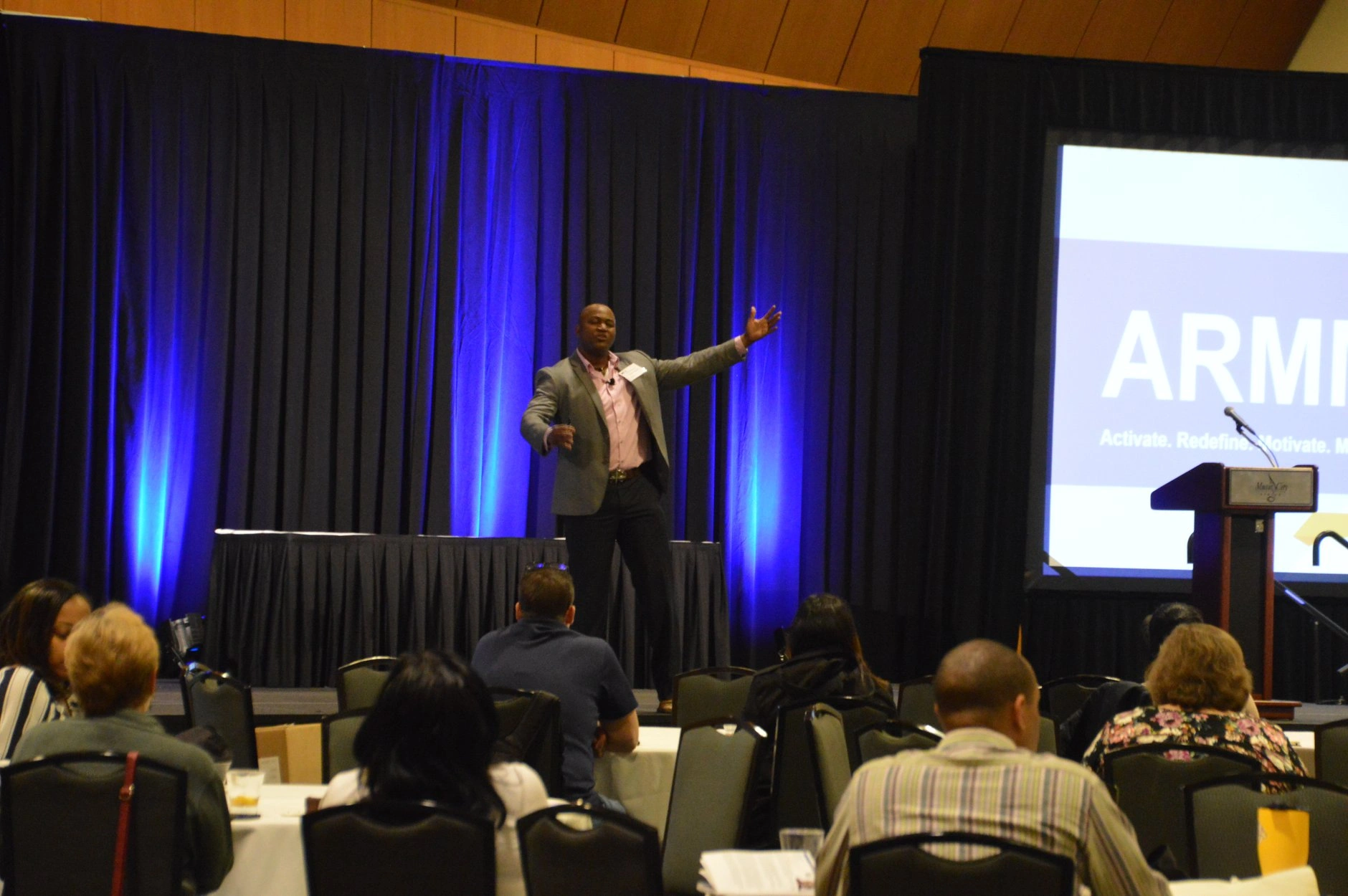
Bring Practical Judgment To The AI Conversation.
Patrick draws on enterprise experience in governance, risk, systems, and AI adoption to make the leadership questions easier to examine.
▶ Watch Patrick Speak ↗Read The Reviews ↗
Make Accountability Part Of The AI Conversation.
Give your leaders a clearer way to decide where authority belongs.
Book Patrick For Your Event ↗