
Separate what happened from who you are
Notice who you decided you were because of what happened, and question that conclusion.
Same condition. Different authority.
What did living through it require you to build?
JOIN THE WAITLISTBe first to know when the book becomes available and when the Command the Room Reader Toolkit is released with it.
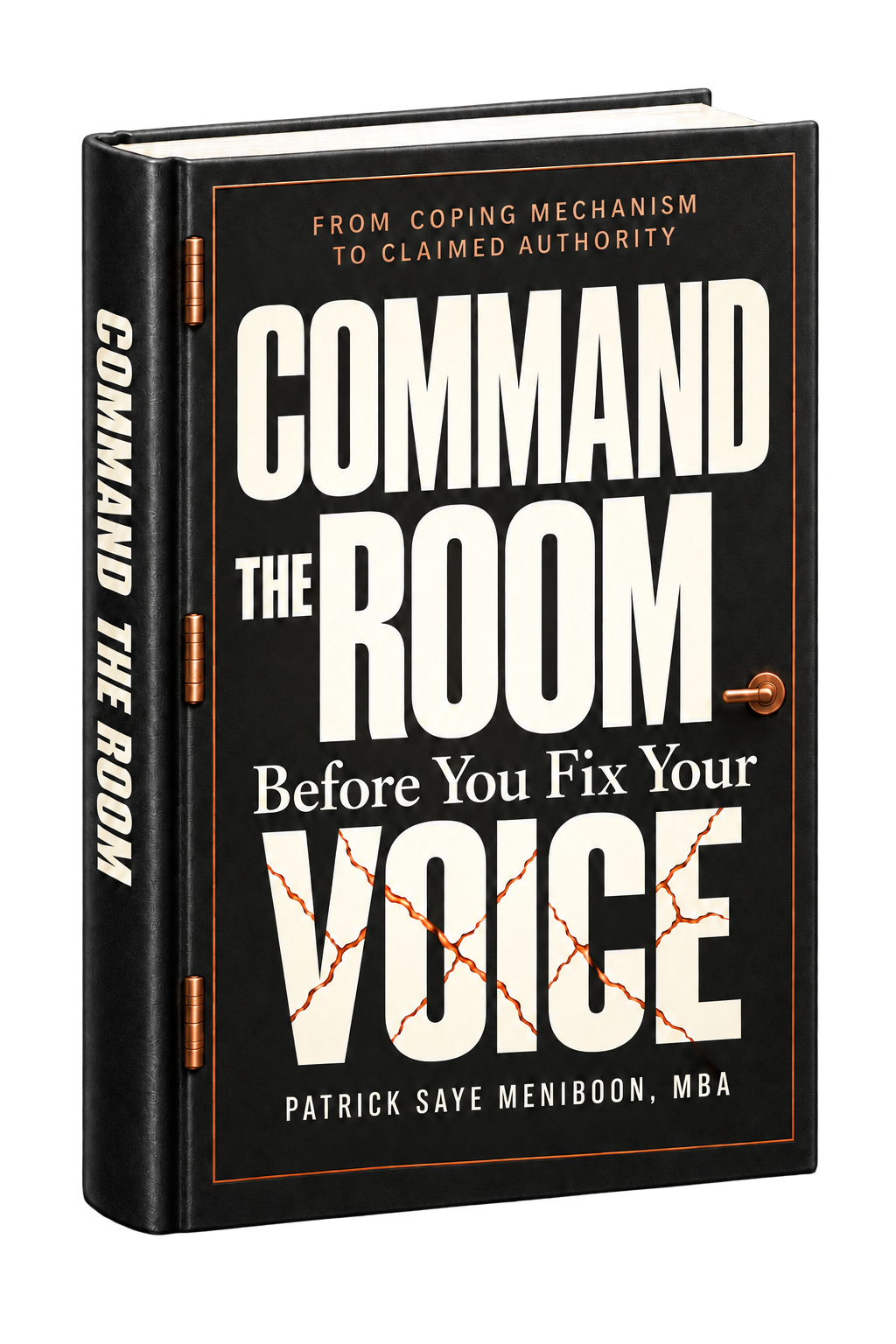
We tend to think of limitations only in terms of what they take away.
Adaptation can produce capacities too: ways of preparing, observing, reading a room, listening, adjusting, thinking, connecting, and leading. They may become so normal that we never recognize them as strengths.
What if some of what you call a weakness has also been training something else?
“Patrick, you still have the Liberian accent. You still stutter. But you can walk into a room and command it. How did you do it?”
Patrick did not have a clean answer. The stutter and the accent had not disappeared, yet his relationship with visibility, authority, preparation, and the room had changed.
This is a book about learning to participate before you feel perfected, separating limitation from identity, and claiming authority while vulnerability is still present.
It asks what adaptation may have built, what pressure taught you to notice, and what you could bring into the room before confidence feels complete.
The book offers no cure for stuttering or formula for fearlessness. It takes limitations seriously without allowing them to define the whole person.
The limitation is real. Does it get to decide what else is available to you?
Patrick stuttered from childhood and carried a Liberian accent into classrooms, professional life, and eventually onto stages.
He became a two-time reluctant valedictorian, successful enough to be asked to speak and uncomfortable enough to wish someone else could do it. He skipped one graduation speech and tried to avoid the other.
In 2015, he advanced to the Toastmasters District 6 International Speech Contest final, one win from the World Championship of Public Speaking semifinals.
What mattered most was that the limitation had not vanished first.
The stutter and the Liberian accent remained, but they no longer consumed the entire room.
Some of these capacities had been developing for years beneath the effort required simply to participate.
Patrick did not have the language “Human Calibration” when this story began. The experience left him fascinated by a larger question: why do we so often treat changing human conditions as permanent identities?
Why do we describe people in switches, leader or not, confident or not, ready or not, when lived performance often behaves more like a set of interacting dials?
That question continued growing through Patrick’s work with people, organizations, transformation, and AI.
EXPLORE HUMAN CALIBRATIONNotice who you decided you were because of what happened, and question that conclusion.
Name the capacities you developed while finding a way through.
Confidence does not have to be the admission ticket to action.
Identify what your own experience already supports.
Healing, learning, and improvement can remain in progress while you contribute.
The wound explains.
The scar qualifies.
The room responds to what you have claimed.
Repair and participation do not have to happen in sequence.

Patrick Saye Meniboon is an AI Strategy Advisor, enterprise transformation leader, speaker, author, host, and The Human Calibrator.
His work explores what is shaping performance beneath the visible problem, and what becomes possible when people and organizations stop treating changing conditions like permanent labels.
MEET PATRICKUnderstanding it is one thing. Using it in the next room is another.
Included at no additional cost with your book purchase.
The complete book, with all three reader tools included.
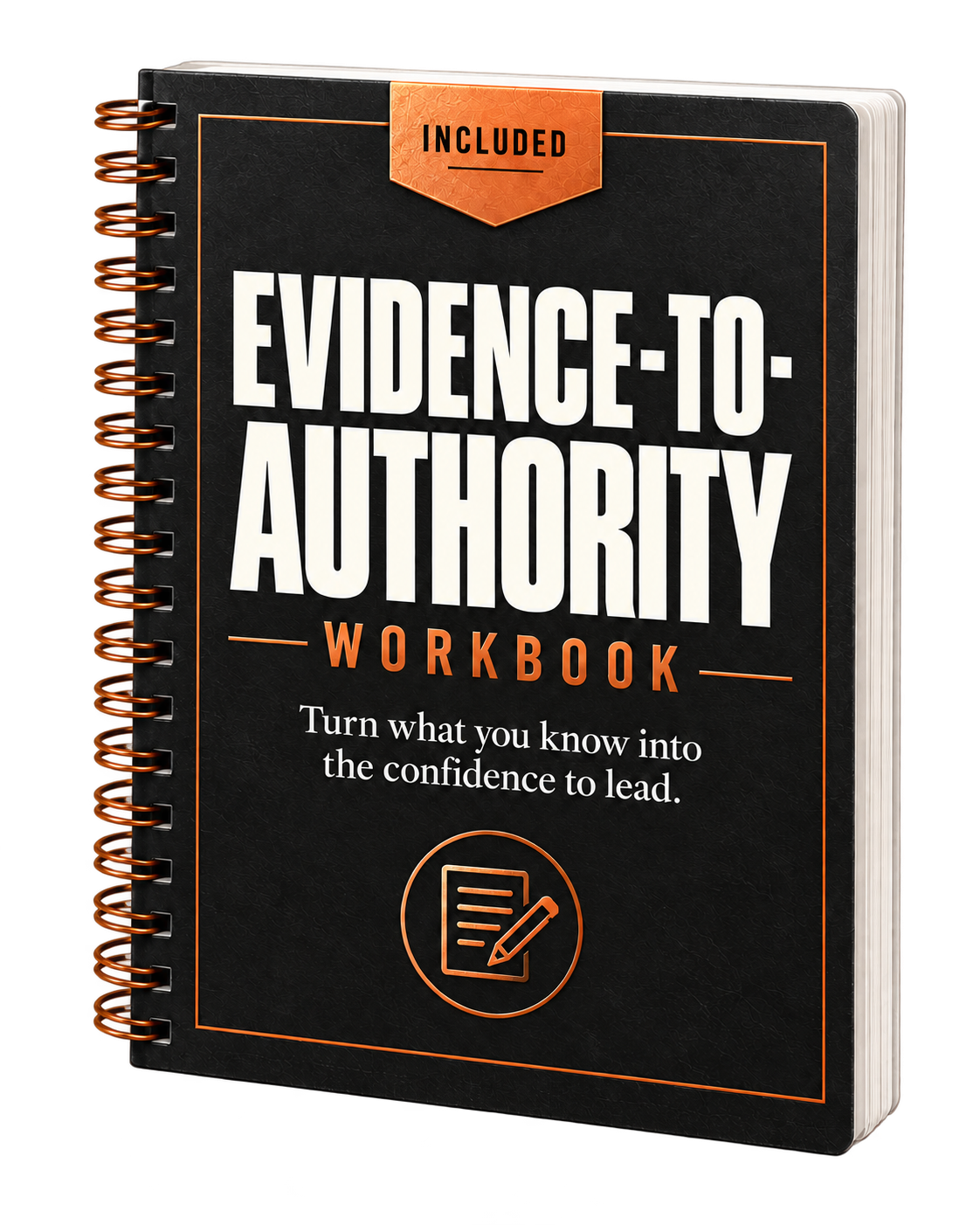
Find the evidence hiding inside what you’ve been calling “just coping.”
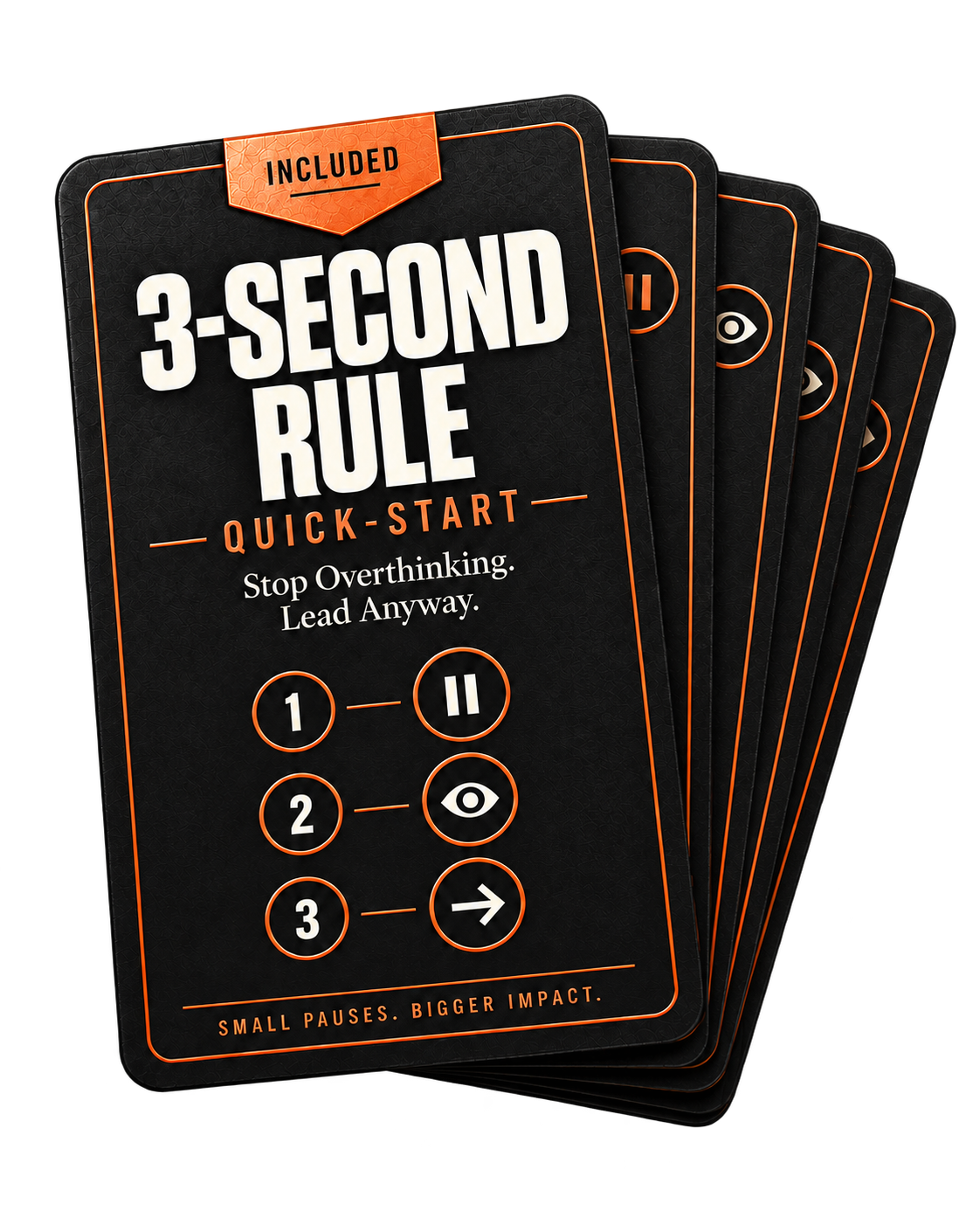
Move before hesitation has enough time to take over.
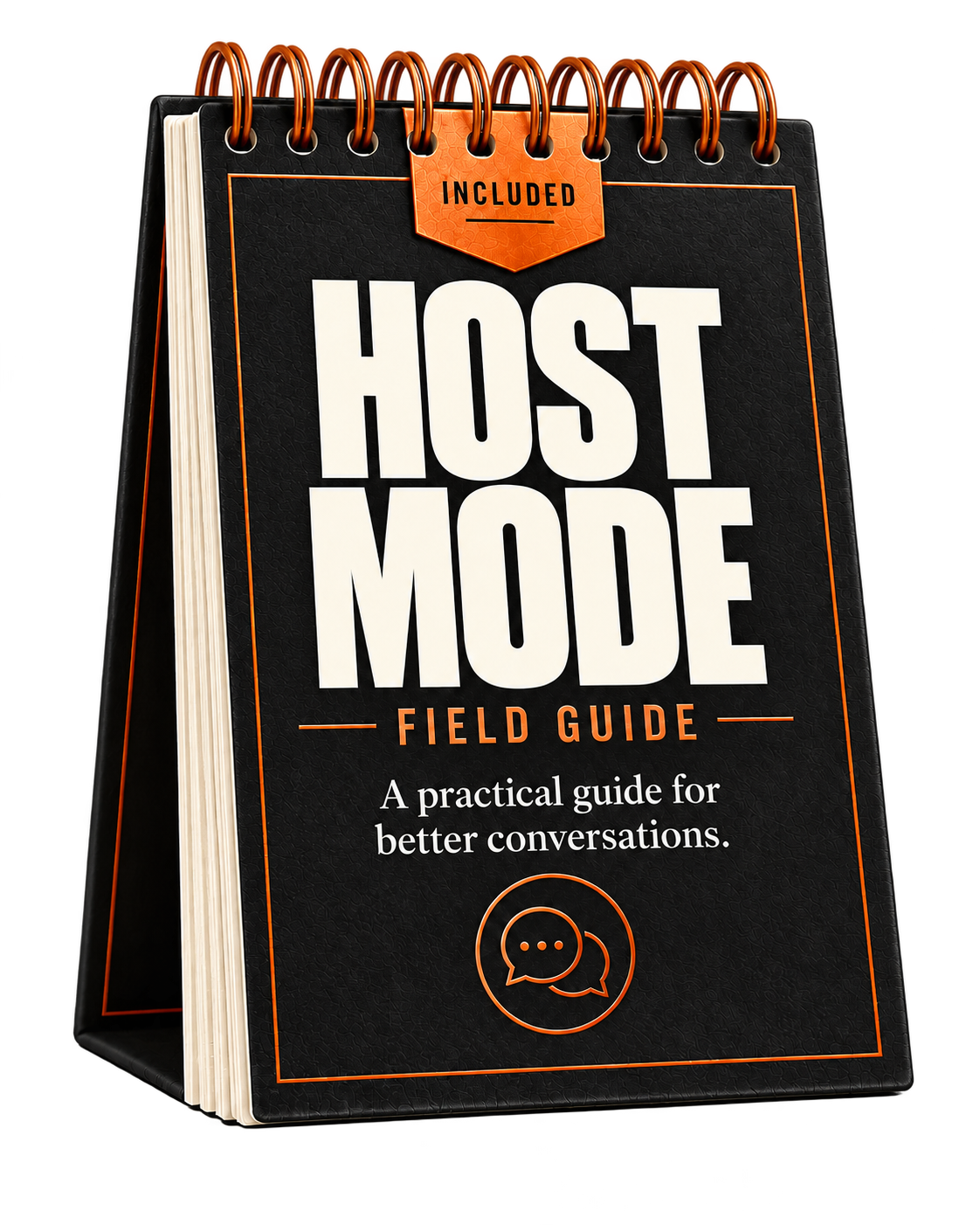
Contribute without performing.
Join the waitlist to be notified when Command the Room Before You Fix Your Voice becomes available. You’ll also receive details about the companion Reader Toolkit.