
18+
Years in enterprise systems, process improvement, governance, and AI adoption across financial services, cybersecurity, risk, and global manufacturing.
What result are you expecting that your people, processes, technology, and resources are not delivering? Identify what is holding that result back, establish the evidence, and decide what is worth doing next.
Discuss Your Assessment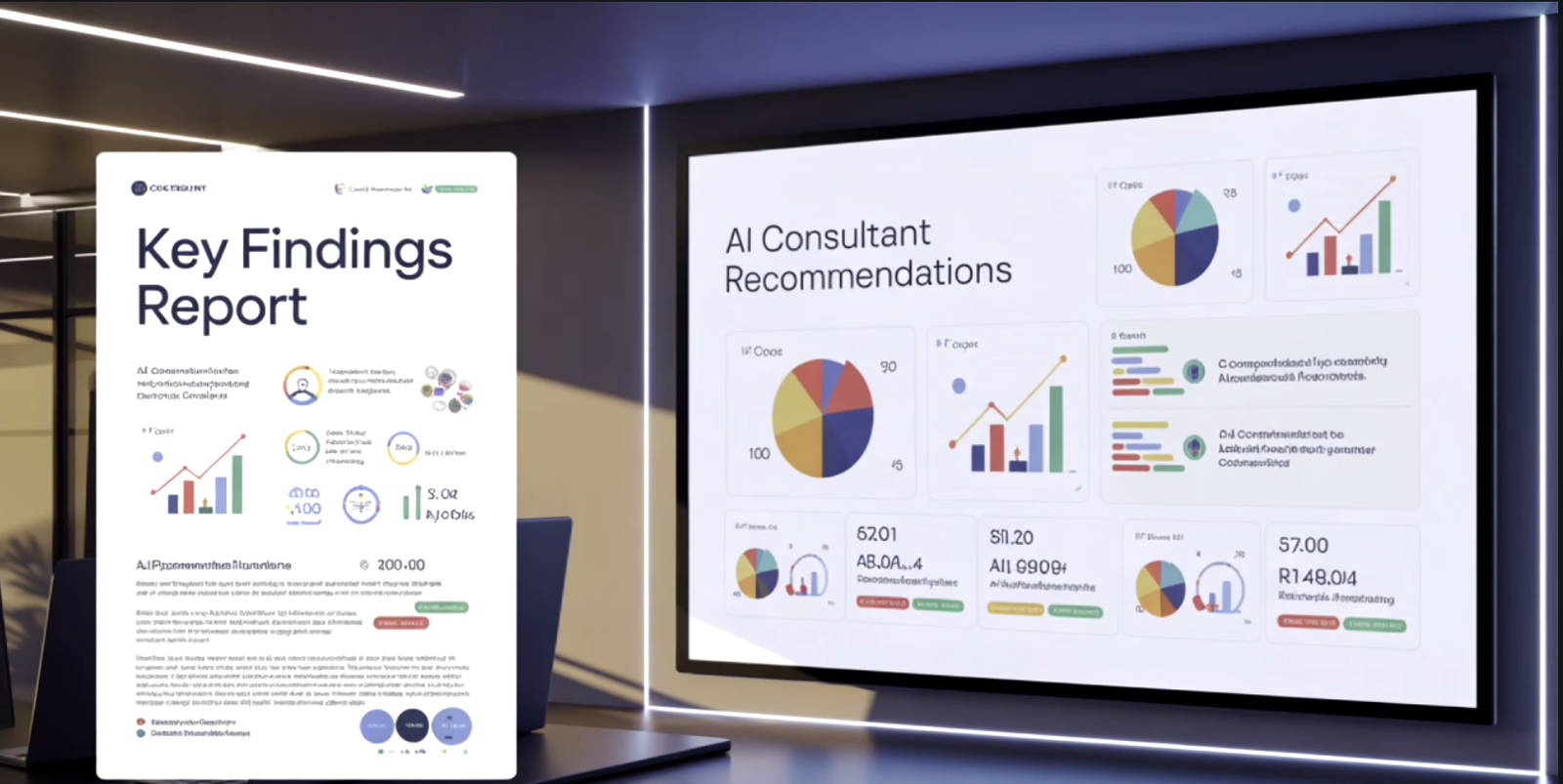
A team keeps missing its target. A process takes too long. An AI or technology investment has yet to deliver the expected value. We agree on the result you want, what is happening now, and what would make the assessment useful to you.
Begin with a brief conversation to discuss the performance gap and whether an assessment is a useful next step. Before the paid work begins, we agree on scope, access to people and evidence, the decision owner, fee, and timing. The paid engagement covers preparation, interviews, evidence review, the Key Findings Report, and a discussion of the findings.
The assessment looks at how people, processes, technology, decisions, and working conditions interact. Roles, skills, incentives, handoffs, access, and capacity may all shape the result. People may be performing exactly as the system allows. The investigation follows the evidence before assigning responsibility.
Patrick leads focused interviews with the people closest to the work and asks follow-up questions that a form can miss. Their accounts are compared with relevant records and examples from the agreed scope. Estimates are labeled as estimates, and missing evidence remains visible.
We compare possible explanations against the evidence and look for where the work gets stuck. Constraints are ranked by their likely effect on the desired result, the strength of the supporting evidence, and any dependencies that must change first. The report distinguishes supported findings, likely explanations, and questions that need further testing. Where deeper workflow analysis is needed, it is identified as a next step.
A Key Findings Report and a review of the findings give you a clear basis for the next decision. The report visual is illustrative; your report is shaped by your performance gap and agreed scope.
Decide where to direct your next investment of time, money, or effort. Each recommendation follows the findings.
The assessment establishes what the evidence supports, what remains uncertain, and what deserves attention next. Its deliverable is a diagnosis and decision support. Solution design, detailed workflow analysis, software selection, implementation, and ongoing leadership are separately scoped engagements. You can use the findings to decide your next step with Patrick or your own team.
Years in enterprise systems, process improvement, governance, and AI adoption across financial services, cybersecurity, risk, and global manufacturing.
Analysts and leaders supported through an enterprise AI Center of Excellence across the U.S., Europe, and India.
Reported productivity gains in broader AI adoption work.
Enterprise outcomes, not measured effects of a keynote or one isolated variable.
EXPLORE AI STRATEGY